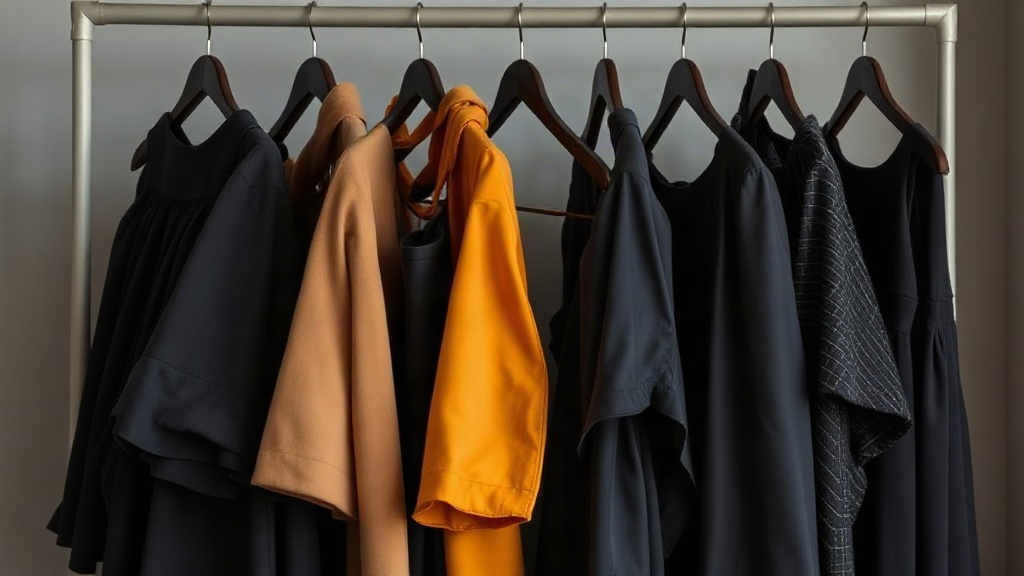
Walk into any wardrobe and count the black pieces. If you are like most people, they outnumber everything else. Yet many of the same people still describe black as boring, harsh, or somehow "safe." That gap between how black performs and how it gets judged is the puzzle worth unpacking. Shoppers browsing todaydresses often arrive with this exact tension: they own plenty of black, but they are not sure they are wearing it well.
Quick answer: Black is versatile because it flatters most skin tones, pairs with every other color, and shifts easily from casual to formal. It is misread because people use it as a default instead of a decision. The fix is simple: choose black for texture, fit, and finish rather than reaching for it out of habit.
This article explains how black actually behaves in a wardrobe, where it goes wrong, and how to make it work harder with less effort.
What is todaydresses?
In this article, todaydresses refers to the everyday wardrobe question of how to dress deliberately rather than automatically. Black sits right at the center of that question. It is the most common color in most closets, and also the color people think about least. That combination makes it both powerful and easy to waste.
Black is not a single shade in practice. A matte cotton tee, a glossy satin slip, and a brushed wool coat all read as "black," yet they behave like different colors. Each absorbs light differently, so each creates a distinct impression on the body and against other garments. This is the first thing people miss. They treat black as one neutral when it is really a family of finishes.
There is also a long cultural history behind black. Western fashion has used it for mourning, for clergy, for formal eveningwear, and for countercultural statements. The idea of the "little black dress" became shorthand for reliability in the twentieth century. That history is why black carries both authority and melancholy depending on the context. It is never truly neutral in meaning.
Practically speaking, black occupies two roles in a wardrobe. It works as a foundation, the base layer that everything else sits on. It also works as a statement, when a single black piece carries drama on its own. Most people only ever use it as a foundation, which is why it starts to feel flat.
Takeaway: Black is a family of shades and finishes with real history. Understanding that is the first step toward dressing with it rather than around it.
Why todaydresses matters
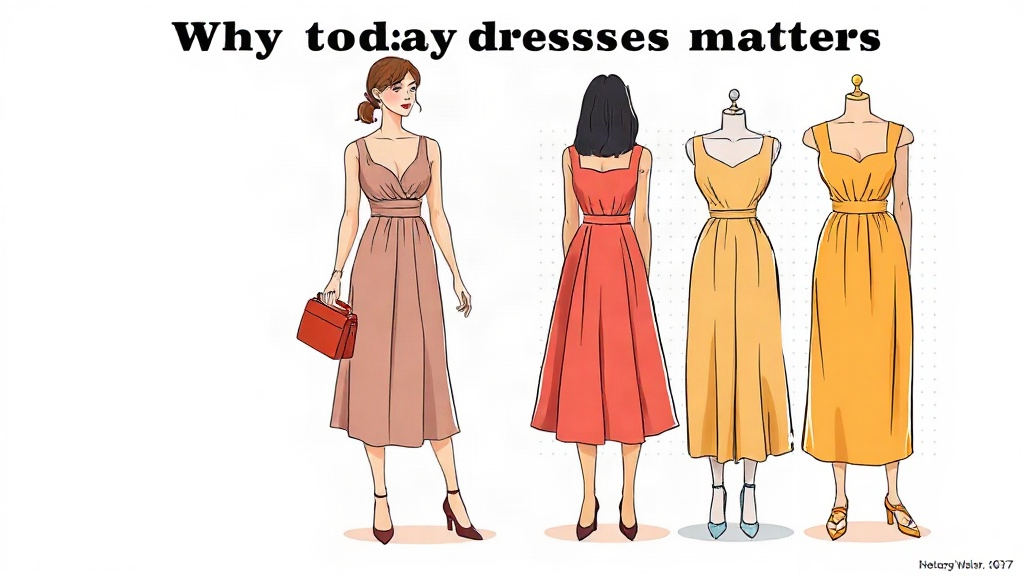
Getting black right pays off across nearly every occasion. It is one of the few colors that works for a job interview, a wedding guest outfit, a weekend errand run, and a dinner date without seeming out of place. That range is not an accident. Black recedes visually, which lets the wearer’s face and silhouette take priority. Photographers favor it for the same reason.
There is a practical edge too. Black hides minor stains and everyday wear better than pale colors. It also survives seasonal trend cycles, so a well-made black coat or pair of trousers rarely looks dated. For anyone building a wardrobe on a budget, that longevity matters. A small number of black pieces can anchor many outfits.
Color psychology adds another layer. Black tends to read as serious, composed, and slightly distant. Wearing it can signal formality or creative confidence, depending on styling. The same black dress looks corporate with a structured blazer and rebellious with a leather jacket. Few colors shift character so easily.
At the same time, black does not flatter everyone identically. Very dark shades can look severe against low-contrast coloring, while they set bright features alight. This is a genuine trade-off, not a flaw. The people who wear black best tend to adjust styling rather than avoid it. They add a lighter layer near the face or choose a softer finish.
Takeaway: Black earns its place because it works across occasions, hides wear, and adapts to styling. It is a tool, and like any tool it rewards skill.
Best practices
Match the finish to the setting
For daytime, matte finishes like cotton, wool, and linen read relaxed and approachable. For evening, glossier textures such as satin and silk add depth and catch light. Mixing matte and shine in one outfit creates visual interest without adding color. This single habit prevents black from looking like a uniform.
Use contrast near your face
Because black absorbs light, it can flatten the complexion in photographs and under harsh indoor lighting. Scarves, collars, jewelry, and makeup can all break it up. A white collar or a warm necklace lifts the face and makes the outfit feel intentional. This is why many stylists separate black garments from the skin with a lighter layer.
Mind the fit above all else
Black is forgiving of stains but unforgiving of poor fit. Shadows hide detail, so wrinkles, pulling seams, and sagging hems become the main thing people notice. A cheap black garment that fits well will outperform an expensive one that does not. Check the shoulders, the hem, and the fabric drape before buying.
Treat black as a decision, not a default
Before reaching for black, ask what role it is playing. Is it the base for a patterned piece? The statement itself? A neutral backdrop for bold shoes? Answering that changes how you style the rest of the outfit. It also keeps your wardrobe from becoming a monotone blur.
Even narrower color choices carry strong associations. The black bandana meaning page explores how a single black accessory can signal anything from rebellion to simplicity, which shows how much weight black carries in small doses.
Takeaway: Finish, contrast, fit, and intent are the levers that separate sharp black dressing from lazy black dressing.
Common mistakes to avoid
The most frequent error is wearing head-to-toe black in the same flat fabric. Without texture variation, the outfit merges into one dark shape and loses all structure. Break it up with a different weave, a belt, or a visible seam. Even a subtle change in sheen makes a difference.
A second mistake is ignoring undertones. Some blacks are cool and blue-based, while others lean warm and brownish. Pairing a cool black jacket with warm black trousers can look slightly "off" without anyone being able to name why. Buy key pieces from the same undertone family where possible, or separate them with a layer.
People also overestimate how well black photographs. Cameras capture black as a dense block, so details vanish under flash. If an event will be heavily photographed, add a lighter layer or a metallic accent. This is not a reason to avoid black, just a reason to plan for the lighting.
Finally, many wardrobes accumulate faded black without noticing. Sun exposure and repeated washing break down dye, so garments that once matched now clash. Refresh faded pieces with a dye product or retire them. A wardrobe of mismatched blacks looks careless even when the individual pieces are good.
| Mistake | Result | Fix |
|---|---|---|
| Same fabric head to toe | Outfit looks flat | Mix matte and shine |
| Ignoring undertones | Colors subtly clash | Stay in one undertone family |
| No lighter layer for photos | Details disappear | Add a collar or accessory |
| Keeping faded pieces | Mismatched blacks | Redye or replace |
Takeaway: Most black outfit problems come down to texture, undertone, lighting, and wear. Each has a straightforward remedy.
FAQ
Does black suit everyone?
Most people can wear black, but the best result depends on styling. Those with low-contrast coloring often look better with a lighter layer near the face or a softer finish like charcoal. Bright-contrast coloring tends to carry pure black easily.
Is black appropriate for a wedding?
It depends on the dress code and culture. Evening and formal weddings usually welcome black, especially in elegant fabrics. Daytime or culturally traditional weddings may call for lighter colors. When unsure, ask the couple or choose a black outfit with a colorful accessory.
How do I stop black outfits from looking boring?
Focus on texture and silhouette. Combine different weaves, add a belt or structured layer, and let one piece carry the shape. Small contrasts in finish do more work than adding more color.
How should I care for black clothing?
Wash black garments inside out in cold water and air-dry where possible. Hot water and direct sun fade dye quickly. A dye refresh every season or two keeps older pieces matching newer ones.
Conclusion
Black is versatile because it adapts to context, hides wear, and pairs with nearly everything. It is misread because it gets used out of habit rather than intention. The difference between the two comes down to texture, fit, contrast near the face, and honest upkeep. None of those require a large budget or a stylist. They require attention. If your wardrobe already leans dark, start there: pull out three black pieces, check them for fading, and restyle one outfit with a contrasting finish and a lighter layer. That small experiment will teach you more than any rule about what black can do for you.