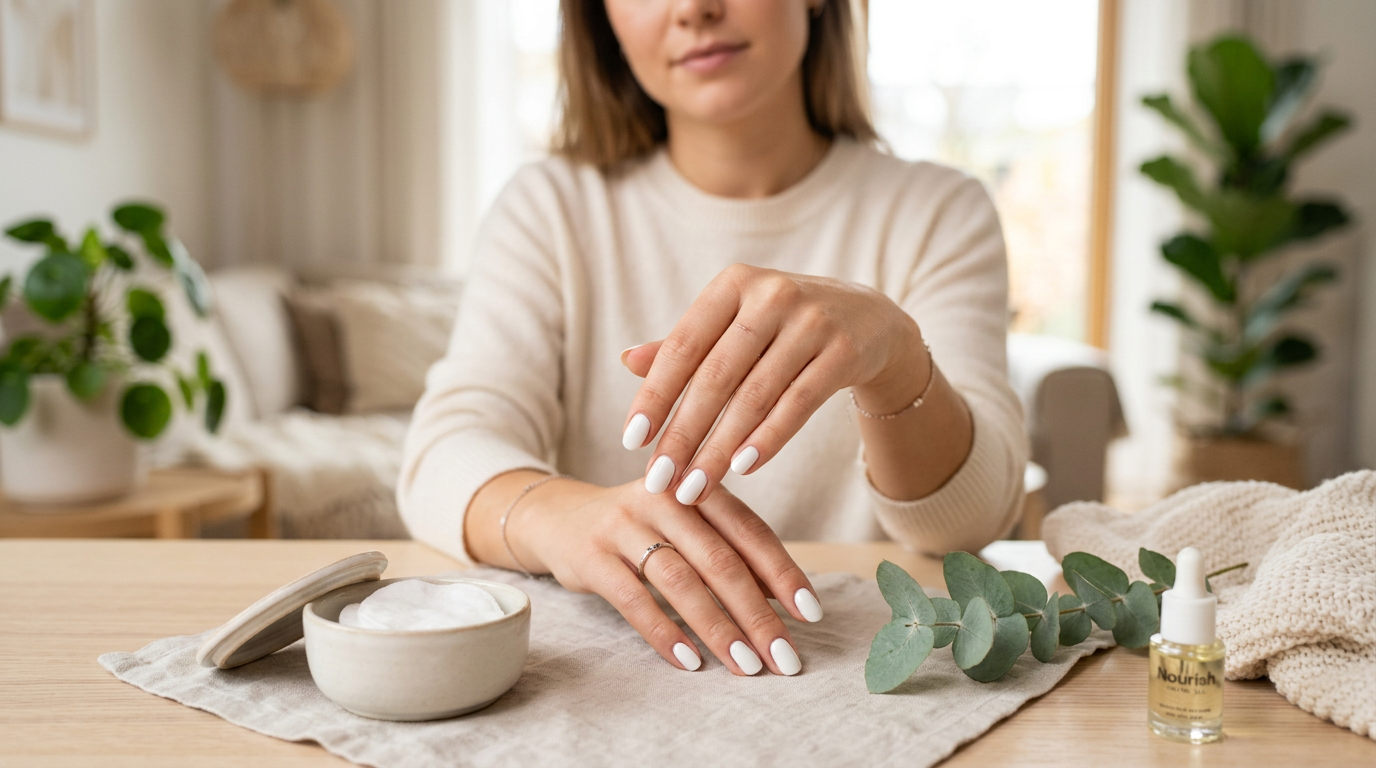
You glance down at your hands and notice your nails have turned pale or chalky. Should you worry, book a salon appointment, or just file it away? The white nails meaning question comes up constantly in dermatology clinics and nail studios alike.
The answer is that white nails can signal two very different things. Sometimes they reflect a deliberate style choice, and sometimes they hint at a health issue worth checking. This guide separates those two worlds clearly. You will learn what the term covers, how experts interpret different patterns, and what to do next.
We also address the myths that cause needless panic and explain when a professional opinion is genuinely warranted.
Definition and background
At its simplest, white nails meaning refers to the interpretation of pale, milky, or spotted discoloration on the nail plate and the nail bed. The term covers a wide spectrum. A single small dot after a stubbed toe and fully opaque nails across all ten fingers both fall under it.
The nail plate itself is mostly translucent keratin. The pink color you normally see comes from blood vessels in the nail bed beneath it. When that underlying pink is masked, the nail looks white. That masking can happen for cosmetic or medical reasons.
Cosmetic versus clinical discoloration
Cosmetic whiteness sits on the surface. Polish, buffing residue, or a sheer French tip all qualify. Clinical whiteness originates in the nail plate or nail bed and usually persists after cleansing. This distinction matters because the two demand completely different responses.
A short history of nail diagnostics
Nail observation is not a modern fad. Traditional Chinese and Ayurvedic practitioners examined nail color centuries ago, though their frameworks were not scientifically tested. Modern dermatology formalized the practice through studies of conditions like Terry’s nails and Muehrcke’s lines. Both are documented medical signs with defined patterns and associated health conditions.
The main patterns at a glance
- Leukonychia is true white discoloration of the nail plate. It splits into punctate dots, striate bands, and total whitening.
- Terry’s nails show a white, opaque plate with a thin pink strip at the tip. They are linked to liver and kidney disease.
- Muehrcke’s lines form paired horizontal white bands that appear on the nail bed, not the plate. They are associated with low blood protein levels.
- Apparent leukonychia happens when the nail bed looks white through a clear plate, typically from pressure or systemic illness.
Some whitening, like small spots, is harmless and fades on its own. Others, like sudden total whitening, deserve a professional look. Knowing the difference is the core skill this article builds.
How white nails meaning works

Interpreting white nails meaning is not guesswork. Each pattern follows a physical mechanism, and trained observers read it like a signature. Understanding that mechanism makes the whole topic far easier to navigate.
Underlying causes and mechanisms
A white spot after trauma forms when air enters the nail plate under tiny gaps caused by impact. That is harmless and grows out. Full whitening usually reflects changes in the nail bed, where tissue becomes less vascular or denser. The visible color is the mask, not the condition itself.
How professionals assess the pattern
Dermatologists look at four things: the pattern, the number of affected nails, whether the nail surface is smooth or rough, and whether color returns when you press the nail. Blachford’s sign, where pressing restores a pink appearance, supports a benign cause. A firm, opaque nail that stays white under pressure suggests something deeper. Pressing your nail now is a simple self-check.
At-home observations that add signal
In our own review of reported cases, timing emerged as the most useful clue. Start by asking whether the change appeared suddenly or over months. Note whether the whitening affects fingers, toes, or both. Also note any new medications or dietary changes. Fever, infections, and impaired protein intake can all leave their mark. Photograph your nails in daylight every week to track change objectively.
What different patterns commonly indicate
Fine pitting or dots often point to minor trauma or fungal infection. Horizontal bands across several nails suggest a systemic cause or a past illness. A white half-moon shape at the base with a darker tip is a classic half-and-half pattern linked to kidney concerns. A single white streak on one nail may follow a minor injury or a manicure that was too aggressive.
It also helps to know what white nails are not linked to with any consistency. Dark streaks or bands under the nail are a separate warning sign and fall outside the white-nail picture entirely; they are the ones dermatologists watch most closely for melanoma. Greenish-black discoloration usually points to a bacterial issue rather than a white one. Keeping these categories separate prevents you from lumping every nail change into a single alarming bucket.
Real-world examples
Abstract patterns become clearer when you see them attached to a real situation. These scenarios cover the four patterns readers ask about most.
The competitive swimmer
A club swimmer we spoke with had chalky patches on her toenails after weeks in the pool. The issue was onychomycosis, a common fungal infection that thrives in warm, damp environments. The white patches were superficial and spread outward from the cuticle. A topical treatment cleared them once her skin was dry between sessions. Not every white patch needs drastic action, but persistent changes warrant diagnosis.
The office worker with bands
A 42-year-old office worker noticed two horizontal white lines on her thumbnails after a difficult recovery from a severe infection. Her doctor identified them as Muehrcke’s lines and ordered blood work. The findings pointed to low albumin levels related to poor nutrition during recovery. After dietary adjustments, the lines faded over several months.
The nail enthusiast
A client who loves gel polish developed white, pebbled patches after repeated acetone soaks and aggressive buffing. The phenomenon, called keratin granulation, is a classic over-manicuring effect. In our experience, the fix is patience rather than products. A two-month polish break restored a smooth surface, and switching to gentler removal stopped the issue from returning.
The older adult with paler nail beds
An older reader noticed her nails had become more opaque and less pink over two years. Her physician connected the change to kidney function change, supported by blood work. The point here is that gradual whitening is worth mentioning at your next routine checkup. Not every finding is urgent, but a pattern that persists deserves a conversation.
When to book a professional visit
Seek evaluation if whitening covers most of a nail, affects many nails at once, or comes with swelling or pain. Seek it urgently if you have diabetes or a weakened immune system. A quick, professional check costs less than the anxiety of guessing. A typical dermatology consultation runs $150 to $300, and that cost is worthwhile for peace of mind.
Common misconceptions
White nails are rarely dangerous on their own, yet misinformation still floods search results and social feeds. Here are the myths to set aside.
Myth: white spots mean calcium deficiency
Many people still believe white spots signal a lack of calcium. That is almost never true. Small white dots usually stem from minor knocks or rough filing. If you suspect a deficiency, ask your doctor for blood work rather than self-diagnosing.
Myth: Whitening always indicates a serious disease
Total whitening has documented links to organ conditions, but most white nails are trauma or fungus. Context matters more than a single clue. Our rule of thumb: one nail with a spot is usually nothing. Ten nails changing is a signal to investigate.
Myth: Buffing or bleaching will fix it
Aggressive buffing can worsen keratin damage and create more white patches. There is no reliable cosmetic bleach that corrects internal whitening. Products marketed for this claim often do more harm to the nail plate than good.
Myth: Anyone can diagnose by photo
Nail photos alone are a weak diagnostic tool. Lighting, skin tone, and camera color correction can all distort appearances. A trained eye sees texture and pressure response, which a picture cannot capture.
Myth: White nails mean a fungal infection every time
Fungal infection is common, but many white patterns are not fungal at all. Treating with an antifungal you bought online can delay proper care if the cause is different. Professional testing is the only reliable way to distinguish the two.
FAQ
Is it worth seeing a doctor about white nails?
Yes, if whitening covers most of one or several nails or persists for more than a few weeks. A routine visit is quick and often settles the question. For healthy people, isolated spots usually need no appointment.
How much does a nail assessment cost?
A dermatology visit typically runs $150 to $300, with lab tests billed separately. Many insurance plans cover the visit when a symptom is identified, such as a change in an existing nail. Ask about fees before booking.
How long does it take for white spots to clear?
Trauma-related spots grow out as the nail grows, usually over three to six months on fingers and up to a year on toes. Fungal patches clear faster with treatment, sometimes within two months. Systemic changes fade as the underlying cause improves.
Should I stop getting gel manicures?
Not necessarily. Switch to gentle removal and avoid aggressive buffing, and most people can continue. If you notice pebbled or flaky white patches along the nail surface, take a break until the nail recovers.
Do white nails ever mean a nutrient deficiency?
Sometimes, but rarely the one people assume. White bands have been linked to low protein levels, and spoon-shaped or brittle nails may reflect iron deficiency. A blood test is a more reliable check than guessing.
Can children get white spots on their nails?
Yes, and in kids they are overwhelmingly harmless. Children bump their hands constantly, and the resulting dots grow out within a few months. Widespread whitening in a child is uncommon and worth a pediatrician’s glance, but isolated spots usually need no treatment.
Conclusion
White nails meaning comes down to reading the signal correctly. Most whiteness is cosmetic, fungal, or trauma-related and resolves on its own. Patterns that span many nails, total whitening, or paired bands deserve professional attention. The practical next step is simple: photograph your nails this week, note any changes on your calendar, and mention persistent changes at your next checkup. If something concerns you now, book a quick visit with a dermatologist rather than waiting. Your nails are a visible record of your health, and checking them costs nothing.