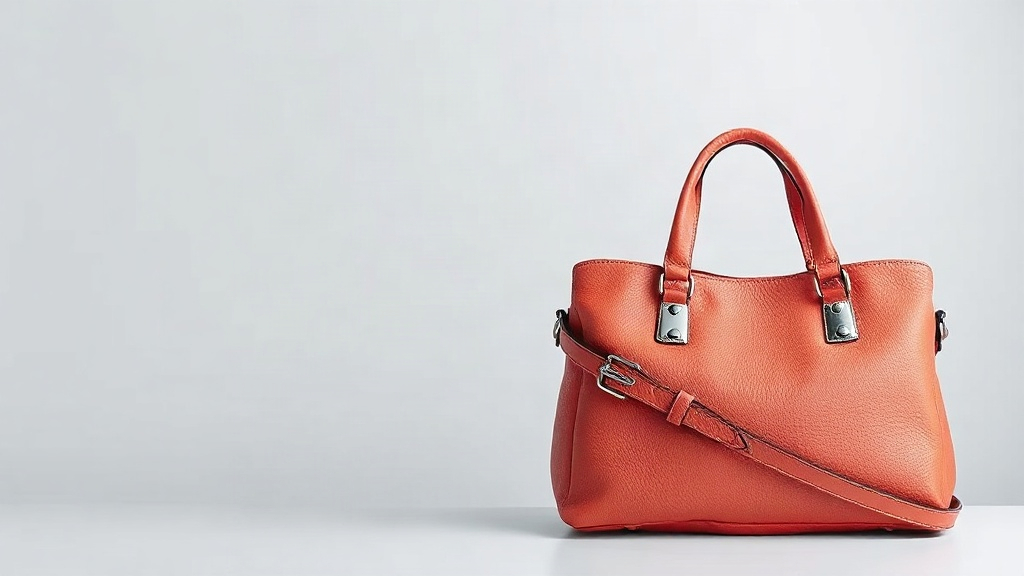
If you want to buy pre-owned designer handbags without losing money to a convincing fake, the stakes are higher than most shoppers expect. A single "deal" can cost hundreds or thousands of dollars, and counterfeiters have become remarkably skilled at copying stitching, hardware, and packaging. Whether you are hunting for a classic tote or testing out the resale market through a site like todaydresses, the same rules apply: verify the seller, inspect the details, and know how to walk away. This guide walks you through the process step by step so you can shop with confidence rather than guesswork.
Quick answer: Buy only from sellers who offer detailed, dated photos, a written authenticity policy, and a clear return window. Before paying, verify the serial number, date code, and hardware details, pay with a method that offers buyer protection, and have an authentication service review the listing when the price is significant. If any detail feels vague or rushed, walk away.
What is buy pre-owned designer handbags?
Buy pre-owned designer handbags means purchasing a luxury bag that a previous owner has already used, rather than buying it new from the brand’s boutique. The market spans several distinct channels, and each one carries a different risk profile.
- Resale platforms such as consignment marketplaces list thousands of bags, but individual sellers, not the platform, often own the item until it sells.
- Consignment boutiques inspect and price items themselves, which adds a layer of vetting but also a markup.
- Peer-to-peer listings on social media or classified sites offer the lowest prices and the highest risk.
- Estate sales and auctions can produce genuine finds, though condition is often uncertain.
What you are really buying in each case is the bag plus a promise about its history. That promise matters more than the price. A bag listed as "authentic guaranteed" means little if the seller refuses returns, while a plainly described bag with worn corners and a receipt can be a smart buy.
Condition terminology also matters. "Excellent" usually means light wear; "very good" allows minor scuffs; "fair" signals visible damage. Learn the seller’s scale before you compare prices.
A reputable seller will answer detailed questions and share extra photos on request. In our experience, sellers who gatekeep basic information tend to have something to hide.
Pay attention to how listings are worded, too. Phrases like "guaranteed authentic or your money back," "final sale," and "as-is" carry very different meanings, and the difference often decides whether you have any recourse. Screenshot the listing and the seller’s stated terms at the moment of purchase, because listings can be edited or deleted after a sale.
Takeaway: Know which channel you are buying from and what its buyer protections actually cover before you fall in love with a listing.
Why buy pre-owned designer handbags matters
The appeal is practical. Designer bags hold value better than most accessories, so the resale market lets you own craftsmanship at a fraction of retail while giving previous owners a return on their purchase. Popular styles often sell for well below boutique prices, and discontinued designs may only be available secondhand.
The market has also matured. Buyer protection policies, professional authentication services, and detailed condition grading are now common on established platforms. That infrastructure makes buying safer than it was a decade ago, but it also means scammers have adapted. Counterfeit operations target the same search results you do.
There is a financial argument too. A bag bought carefully at resale can be resold later without catastrophic loss, which turns a luxury purchase into something closer to a rental. Buying carelessly destroys that advantage in a single transaction.
The environmental angle is real as well. Extending the life of a well-made bag keeps materials in use and reduces demand for new production. For many shoppers, that is a genuine part of the appeal.
Still, the trade-offs deserve honesty. You sacrifice the boutique experience, the full warranty, and sometimes the original packaging. Returns may be limited or nonexistent. Authentication, even from experts, is an informed opinion rather than an absolute guarantee.
Takeaway: Pre-owned shopping rewards patience and research — the savings are real, but so is the responsibility to verify what you are buying.
Best practices
Verify the seller before the bag
Start with the seller’s history, not the product photos. Look for a track record, clear return terms, and consistent reviews across more than one platform. A seller with no history who demands payment by wire transfer is a red flag regardless of how good the listing looks.
Inspect serial numbers and date codes
Every major brand identifies its bags differently. Serial numbers, date stamps, and interior tags are the first things authenticators check, and you can do a preliminary review yourself. If you are considering a Michael Kors piece, a michael kors bag code checker can help you read the interior code correctly before you commit. Ask the seller for a clear, close-up photo of that tag — a refusal is your answer.
Request dated, detailed photos
Ask for photos of the stitching, zipper pulls, hardware engravings, interior lining, and corners. Request a photo with today’s date written on a card next to the bag. Scammers frequently recycle images from other listings, and a dated photo is hard to fake.
Pay with protection
Use a credit card or a payment service with buyer protection. Never send money orders, gift cards, or direct bank transfers to an individual seller. If a transaction goes wrong, your payment method is often the only leverage you have.
Budget for authentication
For any bag above a few hundred dollars, pay a professional authentication service to review the listing photos. The fee is small relative to the purchase price and gives you an independent opinion before money changes hands.
Takeaway: Treat verification as part of the purchase price, not an optional extra.
Common mistakes to avoid
Chasing the too-good-to-be-true price
A current-season bag listed at 40 percent of retail is almost never genuine. Scammers rely on urgency and greed, so they price just low enough to feel plausible. Compare against several listings before you decide a price is normal.
Skipping the return policy
Many private sellers offer no returns, which leaves you with no recourse if the bag arrives damaged or fake. Read the policy before paying, and prefer sellers who allow returns within a stated window.
Trusting packaging over the bag
Dust bags, boxes, and receipts are easy to counterfeit and easy to buy separately. Authenticate the bag itself, not the accessories around it. A genuine receipt proves nothing if the bag in the photos is different.
Ignoring condition details
Worn handles, faded corners, and stretched leather are expensive to repair. Ask for close-ups of every wear point and price the cost of restoration into your offer. A cheap bag needing a $300 repair is not cheap.
Rushing the decision
Pressure tactics — "another buyer is interested," "offer expires tonight" — are designed to stop you from checking. A genuine seller will still be there tomorrow.
Takeaway: Most scams succeed because the buyer skipped one verification step under time pressure.
FAQ
How much should I expect to pay for a pre-owned designer bag?
Expect roughly 30 to 70 percent of retail, depending on brand, condition, and popularity. Demand for certain classic styles keeps resale prices high, while less popular models drop steeply. Always compare several current listings before making an offer.
Can I authenticate a bag myself?
You can catch obvious red flags by checking stitching, hardware weight, and serial tags, but a professional opinion is safer for expensive purchases. Authentication services review photos for a modest fee. Treat your own inspection as a first filter, not a final verdict.
What payment method is safest?
Credit cards and payment platforms with buyer protection are the safest options. They give you a dispute process if the item is not as described. Avoid wire transfers, gift cards, and cash payments to strangers.
Should I buy a bag with missing accessories?
Original dust bags and receipts add confidence but are not proof of authenticity. A bag without accessories can still be genuine and is often priced lower. Judge the bag on its own details first.
What should I do if the bag turns out to be fake?
Act quickly. Contact the seller in writing, open a dispute through your payment provider or platform, and keep every photo, message, and listing screenshot as evidence. Credit card chargebacks usually have tight deadlines, often 60 to 120 days from the transaction date. If the platform has its own authenticity guarantee, file a claim there first, since those processes move faster than card disputes.
Conclusion
Buying pre-owned designer handbags safely comes down to a repeatable process: research the seller, verify the serial details, demand dated photos, pay with protection, and budget for authentication. None of these steps is glamorous, but together they close the gaps that scammers exploit. Start with one bag and one seller, apply the checklist above, and let the evidence — not the discount — make the decision for you.