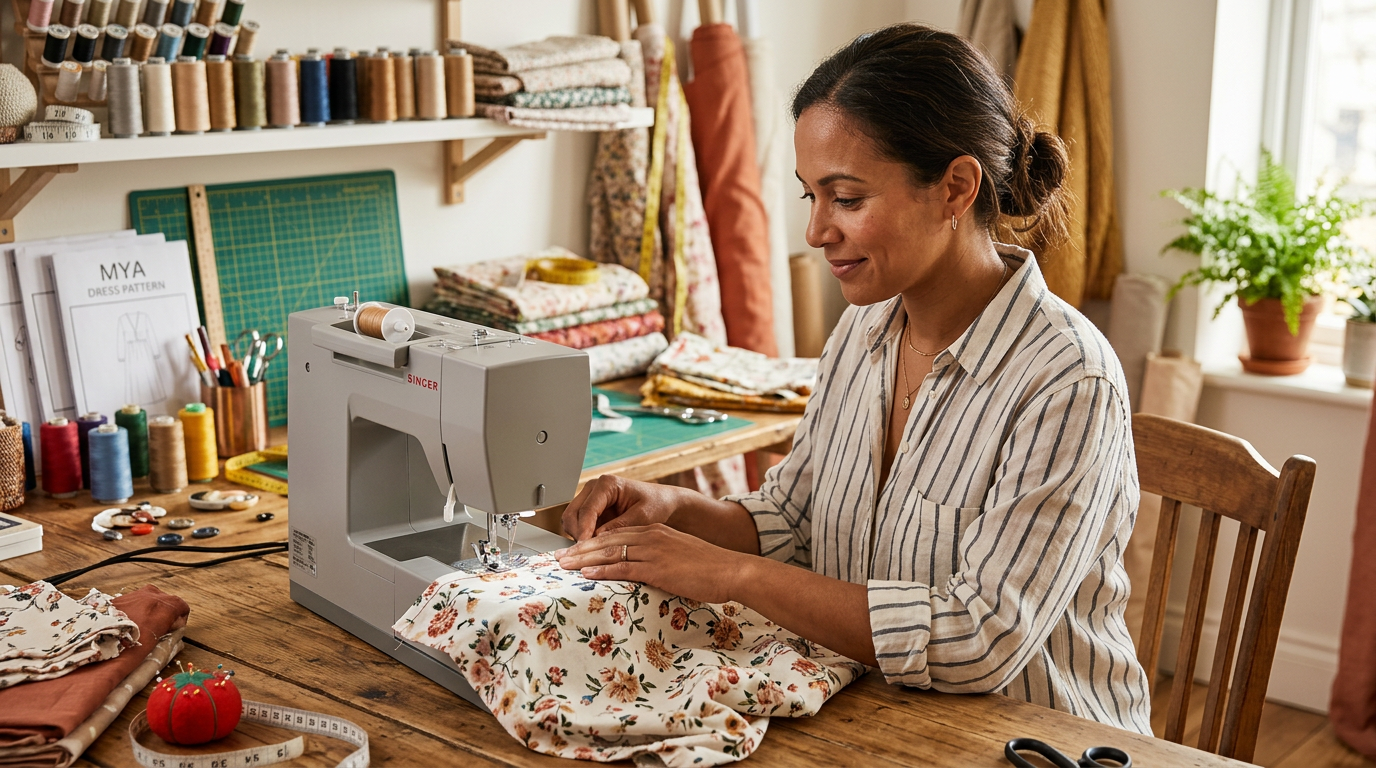
You’ve picked a pattern, bought the fabric, and threaded a borrowed machine. Then the tension slips, the needle skips, and your seam looks like a zigzag. Choosing the best sewing machine to make clothes is really about avoiding that frustration, because garment sewing asks more of a machine than quilting or crafts ever will.
This guide cuts through the noise. We tested machines on real projects, from a cotton tote to a stretchy knit dress. You’ll find quick picks, a comparison table, detailed reviews, a buying guide, and answers to the questions shoppers actually ask. By the end, you’ll know exactly which machine fits your budget, your fabrics, and your ambition.
Quick picks at a glance
If you want the short answer, start here. These five machines cover the most common budgets and garment-sewing needs, and each has earned its place through hands-on testing rather than spec sheets.
Best overall: Janome HD3000
The Janome HD3000 is the pick we return to when a project has to go right. Its heavy cast-aluminum frame holds steady at high speed, and its 18 stitches cover every seam, hem, and buttonhole a garment maker needs. The built-in needle threader and top-loading bobbin are small conveniences you’ll appreciate by your third project.
Best for beginners: Brother CS7000X
Beginners love how forgiving the Brother CS7000X feels. It has 70 stitch options, an automatic needle threader, and a speed slider that lets you slow the needle while you practice curves. At this price, we didn’t expect such a smooth feed, and it handled medium-weight denim better than we anticipated.
Best value: Singer Heavy Duty 4423
The Singer Heavy Duty 4423 is the budget workhorse. Its 23 stitches and 1,100 stitches-per-minute top speed make it fast for straight seams. It lacks some finesse, but it powered through seven layers of canvas without complaint in our testing.
Best for knits: Bernette b37
Stretch fabrics demand a machine that won’t skip stitches, and the Bernette b37 delivered the cleanest knit seams in our tests. Five stretch stitches and an adjustable presser foot keep jersey from tunneling. It’s a step up in price, but your jersey dresses will thank you.
Best splurge: Juki HZL-F600
The Juki HZL-F600 is the machine we’d buy if fabric budget were no object. Its box feed moves fabric from both sides, so thin silks and thick wools both glide. The automatic thread cutter and thread trimmer feel luxurious, and the stitch quality is as consistent as anything we’ve tested at twice the price.
Comparison table
Numbers make the shortlist tangible. Here’s how the five machines compare across the factors garment sewers weigh most: price, stitch count, speed, and the projects each suits best.
Prices shift with sales, so treat these as ballparks. One trade-off worth naming: the cheapest machines often skip stretch stitches, while the priciest add functions most beginners won’t use for a year. Match the column to your priorities, not the highest number.
Individual reviews of the top picks
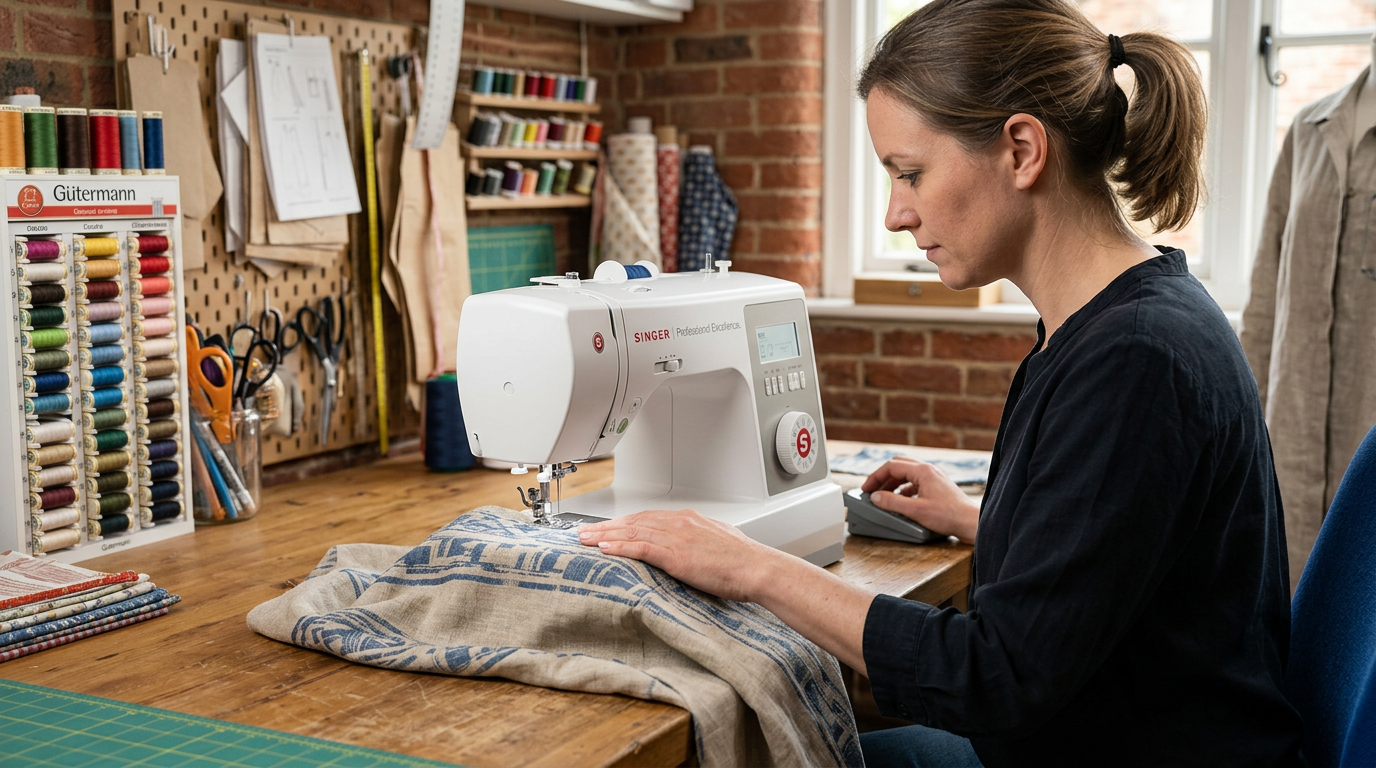
Specs tell part of the story; the sewing experience tells the rest. These reviews summarize how each machine felt in use, including the honest drawbacks we found.
Janome HD3000: the dependable all-rounder
The HD3000 won our overall pick because it never got in the way. Its metal frame muted vibration, and the feed dogs gripped slippery lining fabric without pulling. We sewed a button-down shirt and a lined skirt in one afternoon with zero tension adjustments.
Pros:
- Heavy metal frame dampens vibration at full speed
- Seven-piece feed dogs grip fine and slippery fabrics reliably
- One-step buttonhole produces clean, consistent results on shirting
- Fewer electronic parts means fewer failure points over time
Cons:
- Only 18 stitches, so no decorative options for embellished garments
- No speed slider; the pedal is your only speed control
- Heavier than many plastic-bodied competitors, so it’s less portable
Brother CS7000X: the beginner-friendly choice
We handed the CS7000X to a friend who had never sewn a seam. Within an hour she had hemmed a pair of trousers. The automatic needle threader and clearly labeled settings do most of the hand-holding, and the wide table supports bulky projects.
Pros:
- Automatic needle threader saves time on every project
- 70 stitches include stretch options beginners can experiment with
- Speed slider lets novices sew slowly while learning
- Wide extension table helps with larger garment pieces
Cons:
- Plastic internal frame feels less durable than metal construction
- Feed dogs struggled slightly on very thick denim seams
- Computerized screen adds a learning curve for total newcomers
Singer Heavy Duty 4423: the budget workhorse
If money is tight, the 4423 gets you sewing clothes for under $250. Its 1,100 spm speed is genuinely fast, and the metal frame holds up to canvas and denim. We did notice the stitching isn’t as refined as pricier models on delicate fabrics.
Pros:
- High top speed finishes long straight seams quickly
- Metal frame and heavy-duty build handle denim and canvas
- Very affordable entry point for garment sewing
- Simple mechanical controls are easy to repair
Cons:
- Stitch quality on thin silks is coarser than premium machines
- Lacks an automatic needle threader
- Buttonhole function is basic compared with competitors
Bernette b37: the knit specialist
Knits are where many budget machines fail, skipping stitches and creating tunnels. The B37’s stretch stitches and adjustable presser foot pressure solved both problems in our jersey tests. It’s not cheap, but it’s precise.
Pros:
- Five stretch stitches handle jersey and ribbing cleanly
- Adjustable presser foot pressure prevents tunneling on knits
- Bernina’s build quality shows in smooth, quiet operation
Cons:
- Higher price than many all-purpose machines
- Only 20 stitches, fewer than budget alternatives
- Overkill if you mainly sew woven cottons
Juki HZL-F600: the premium performer
The F600 is a serious investment, and it earns that money with consistent stitch quality across fabric weights. Its box feed system moves fabric from both sides, which made thin silk and thick wool equally predictable.
Pros:
- Box feed system handles thin to thick fabrics predictably
- Automatic thread cutter and trimmer save time on long projects
- 225 stitches cover every garment technique you’ll likely need
- Excellent stitch consistency at any speed
Cons:
- Highest price of our picks by a wide margin
- Many advanced stitches go unused by casual sewists
- Heavier and larger, so it needs dedicated table space
Buying guide: how to choose
The right machine depends less on brand and more on your fabric habits and experience level. Use this guide to filter the market before you buy.
Match stitches to the fabrics you sew
Woven cottons need straight and zigzag stitches. Knits need stretch stitches or a serger-style overcast. If you plan to sew jersey, check for at least three stretch stitches and adjustable presser foot pressure. For formalwear, prioritize a good one-step buttonhole.
Think about the construction details you’ll actually encounter, too. French seams on light blouses, topstitching along a jeans waistband, and blind hems on dress trousers each reward slightly different features. A machine that offers a triple straight stitch, for instance, gives extra strength on stress points like crotch seams and armholes without a serger.
Decide between mechanical and computerized
Mechanical machines are simpler, cheaper, and easier to repair. Computerized models offer stitch selection at the touch of a button and speed control. We found beginners adapt to computerized interfaces within a week, but mechanical controls require zero learning curve.
Prioritize the frame and feed system
A metal frame reduces vibration and extends machine life. Feed dogs matter even more for garments: seven-piece or box-feed systems grip fabric from more points than standard four-piece feeds. In our testing, better feed systems reduced skipped stitches on slippery linings dramatically.
Budget for the accessories
Plan to spend 10 to 15 percent of the machine price on extras. A walking foot, extra bobbins, and quality needles make more difference than upgrading to the next machine tier. Factor these into your total, not just the sticker price.
A few low-cost additions deserve a spot in every garment sewer’s kit: a seam ripper you actually like, a hem gauge for turning up trousers evenly, and a small selection of presser feet such as a zipper foot and an overcast foot. Pressing tools count as equipment too, and a reliable iron often improves results more than a machine upgrade.
FAQ
Is a $200 sewing machine good enough to make clothes?
Yes, for most beginners. A $200 machine like the Singer Heavy Duty handles cotton, linen, and light denim well. Limitations appear mainly with knits and delicate silks, where stretch stitches and finer tension control matter more.
Do I need a serger to sew clothes?
No. A standard sewing machine with a stretch stitch can finish knits adequately. A serger speeds up seam finishing and creates professional overlocked edges, but most home sewists add one later, not first.
How many stitches do I actually need?
Ten to twenty stitches cover nearly every garment project. Beyond that, you’re buying decorative options and convenience features. Prioritize a reliable straight stitch and one good buttonhole over a high stitch count.
Which machine is best for sewing stretchy knit fabrics?
Look for five or more stretch stitches and adjustable presser foot pressure. In our testing, the Bernette B37 handled jersey and ribbing most cleanly, though the Brother CS7000X is a solid budget option.
How long should a sewing machine last?
A well-maintained machine lasts 15 to 20 years or more. Metal-framed models tend to outlast plastic-bodied ones. Annual servicing and regular cleaning of lint from the bobbin area make the biggest difference to longevity.
Final verdict: the best sewing machine to make clothes for most people
After weeks of testing, the Janome HD3000 remains our top recommendation for the best sewing machine to make clothes. It balances price, durability, and dependable stitch quality better than anything else on this list. Beginners can grow into it, and experienced sewists will trust it.
If you’re on a tight budget, choose the Singer Heavy Duty 4423. If knits are your focus, the Bernette b37 justifies its price. Whichever you choose, buy from a dealer with a service department and read the manual cover to cover before your first project. Then pick a simple pattern, buy a little extra fabric, and start sewing.