You grab your gym bag after a round and find a towel that smells like a locker room. Most people assume the fix is a hot wash and a strong detergent, but that routine is exactly what destroys synthetic fabrics. Knowing how to clean microfiber and sweat towels properly protects the fibers that make them work. The same care principles show up in gear reviews like golfhub, where small material choices decide long-term performance.
Quick answer: Wash microfiber and sweat towels in warm water (below 140°F) with a small amount of mild, residue-free detergent, and never use fabric softener or dryer sheets. Skip chlorine bleach, wash them separately from lint-producing fabrics, and air-dry or tumble on low heat to keep the fibers intact.
What is clean microfiber and sweat towels?
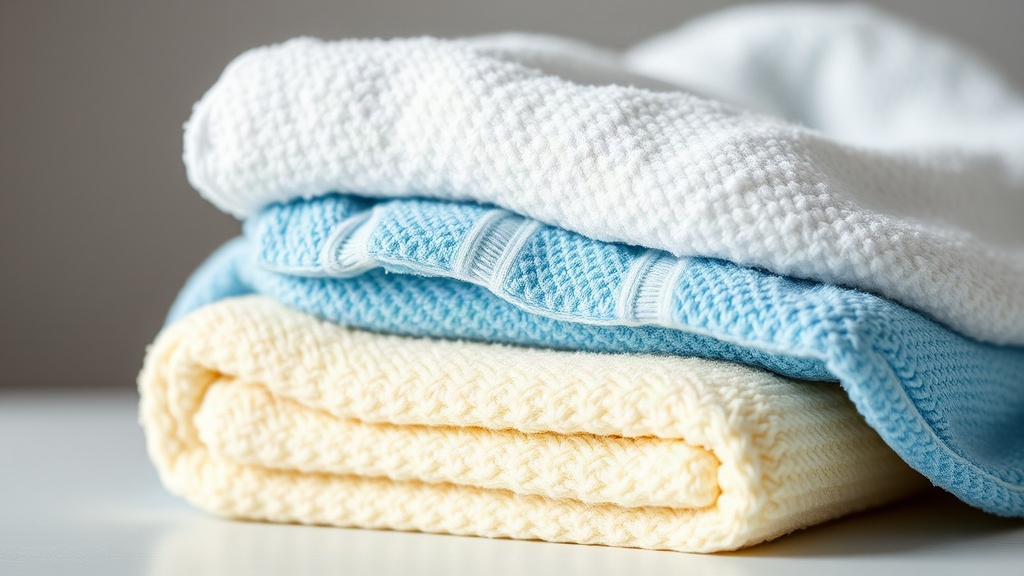
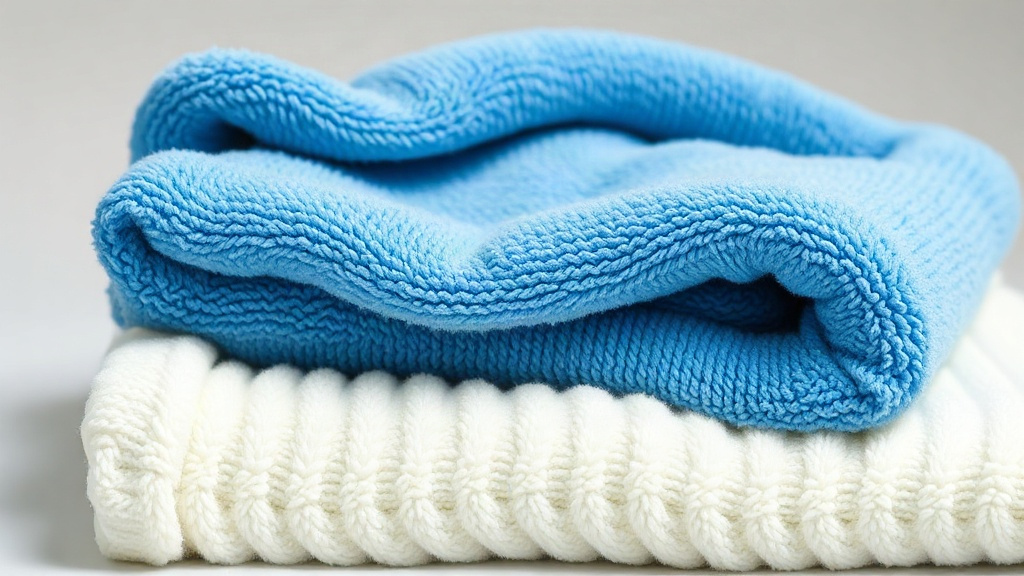
The phrase describes two related chores with one shared goal: removing sweat, oils, and residue from performance fabrics without breaking down their structure. A sweat towel is usually cotton or a cotton-blend terry that absorbs moisture from skin. A microfiber towel is a synthetic fabric woven from strands finer than a human hair, often split during manufacturing to create millions of tiny hooks.
Those hooks are the whole point. They trap dust, grime, and moisture mechanically rather than just soaking it up. When the fibers mat together, clog with softener, or melt under high heat, the towel stops working even though it looks fine.
How the two fabrics differ
Sweat towels tolerate more heat and stronger detergents. Microfiber is fussier: it holds onto soap residue and oils, and it loses absorbency fast when coated. In our experience handling both, microfiber degrades quietly — one bad wash with softener can leave a towel that spreads water instead of drying it. Cotton towels mostly just wear out.
Weight tells part of the story. A typical gym sweat towel runs 400 to 600 grams per square meter, while microfiber cloths are far lighter and denser. That density is why microfiber holds residue so stubbornly and why it needs a longer, more thorough rinse than terry cloth ever will.
What "clean" actually means for performance fabric
A truly clean towel has no detergent film, no trapped body oils, and open fibers. It should feel slightly grippy on glass or dry skin, not slick. If water beads on the surface instead of spreading, residue is the likely culprit. That test works for both microfiber cloths and gym towels that have lost their bite.
Takeaway: Match your cleaning method to the fabric, and judge success by absorbency, not just smell.
Why clean microfiber and sweat towels matters
A damp towel left in a bag becomes a breeding ground for bacteria and mildew within hours. That smell is not cosmetic. Washing removes the food source bacteria need, and regular cleaning keeps odors from setting in permanently. Once mildew bonds to synthetic fibers, it is difficult to remove completely.
There is also a money argument. Microfiber costs more per towel than basic cotton, and careless washing shortens its life dramatically. A towel washed in hot water with softener may last a few months instead of a few years. Choosing the right detergent and temperature protects your investment the same way smart gear choices protect a golfer’s budget — the reasoning behind comparisons like this taylormade driver vs titleist breakdown, where small material and spec differences drive long-term value.
Hygiene and skin health
Sweat towels contact your face, neck, and hands. A towel washed improperly can transfer oils and bacteria back to your skin. People prone to breakouts often find that switching to a clean towel per session makes a noticeable difference.
There is a practical limit, though. Dermatologists generally advise against scrubbing sweat-damp skin with a towel that has sat in a hot car all afternoon; the warmth and moisture encourage bacterial growth, and friction can irritate skin that is already flushed.
Performance and durability
Clean fibers absorb faster and dry quicker. Clogged fibers smear moisture around and leave streaks. Regular, gentle washing preserves the split-fiber structure that gives microfiber its edge.
Odor control over time
Bacteria feed on trapped sweat and detergent residue. Rinsing promptly and washing after one or two uses keeps the bacterial load low, which prevents the sour smell that no amount of spraying fixes.
Takeaway: Clean towels protect your skin, your gear budget, and your nose — and neglect is usually irreversible.
Best practices
Wash temperature and cycle
Use warm water up to about 140°F for microfiber and normal warm settings for cotton sweat towels. Hot water above that range can damage synthetic fibers over repeated washes. Choose a normal or gentle cycle with a thorough rinse. Extra rinse cycles help flush detergent out of dense microfiber.
Detergent choice and dosing
Use a small amount of mild liquid detergent — roughly half the recommended dose for the load size. Free-and-clear formulas work well because dyes and perfumes can leave residue. Powder detergents sometimes fail to dissolve fully and lodge in the fibers.
What never goes in the load
Fabric softener and dryer sheets coat fibers with a waxy layer that kills absorbency. Chlorine bleach weakens synthetics and can yellow white microfiber. Wash towels separately from cotton lint-shedders like fleece and terry robes, or the lint will cling.
Drying and storage
Air-dry microfiber when possible, or tumble on low heat with no dryer sheet. High heat can melt fine fibers. Store dry towels loosely folded rather than compressed in a damp bag, and let gym towels dry fully before they go back in the car or locker.
Takeaway: Gentle detergent, moderate heat, and a softener-free routine cover 90% of towel care.
Common mistakes to avoid
Overloading the machine
Cramming towels into a full drum prevents agitation and rinsing. Fibers stay soapy and dirt gets redistributed. Wash smaller loads and let towels move freely.
Using too much detergent
More soap does not mean cleaner towels. Excess detergent leaves film that attracts dirt and reduces absorbency. If towels feel stiff or slick after washing, run an extra rinse with no detergent.
Ignoring the pre-rinse
A quick cold rinse before the main wash lifts fresh sweat and salts. This matters for gym towels that sit in a bag for hours. Skipping it pushes oils deeper into the fabric.
Drying on high heat
High heat is the fastest way to ruin microfiber. It mats fibers and can shrink cotton blends. When in doubt, choose low heat or line drying.
Washing with the wrong items
Zippers, hooks, and Velcro snag microfiber loops and pull threads. Lint-shedding fabrics deposit debris. Keep towels in their own load or with smooth, low-lint items. A mesh laundry bag adds a cheap layer of protection for small microfiber cloths.
Letting damp towels sit
A wet towel balled up in a gym bag grows mildew overnight. Hang it to dry as soon as you finish, even if the full wash waits until later in the week.
Takeaway: Most towel damage comes from small habits — too much soap, too much heat, and too little drying.
FAQ
How often should I wash microfiber towels?
After every one to three uses for gym and sweat towels, depending on how damp they get. Microfiber cleaning cloths used on surfaces can go longer but should be washed weekly. Never store a damp towel without drying it first.
Can I wash microfiber and cotton sweat towels together?
It is better to separate them. Cotton sheds lint that clings to microfiber, and the two fabrics prefer slightly different heat levels. If you must combine them, use warm water, low heat drying, and a lint roller afterward.
Why did my microfiber towel stop absorbing water?
Fabric softener, dryer sheets, or too much detergent likely left a residue coating. Wash it again with a small amount of mild detergent and no softener, then air-dry. If absorbency does not return, the fibers may be permanently clogged.
Is vinegar safe for removing towel odors?
White vinegar in the rinse cycle helps strip detergent residue and neutralize odors. Use about half a cup and skip it if you are also using bleach. Vinegar is a maintenance step, not a substitute for regular washing.
Can I use bleach on white sweat towels?
Diluted chlorine bleach is acceptable for plain white cotton towels, but never for microfiber or colored blends. Bleach weakens synthetic fibers and can leave permanent yellowing. Oxygen-based bleach is a safer alternative for most towels.
Conclusion
Cleaning microfiber and sweat towels comes down to a few firm rules: moderate heat, minimal mild detergent, no softener, and thorough drying. Separate your loads, skip the bleach on synthetics, and check absorbency rather than smell alone to judge whether a wash worked. Once the routine is set, towels last longer, smell better, and perform the way they did on day one.
Your next step is simple. Sort your gym bag this week, wash the towels in a small warm load with half a scoop of free-and-clear detergent, and air-dry them fully before they go back in.